

Get excited about your next African vacation with our travel-inspired blog. Explore exotic luxury destinations, read travel tips for your safari and more!
Welcome to Our Travel Blog

The Great Migration Explained

When to Go and How to Get Front-Row Seats
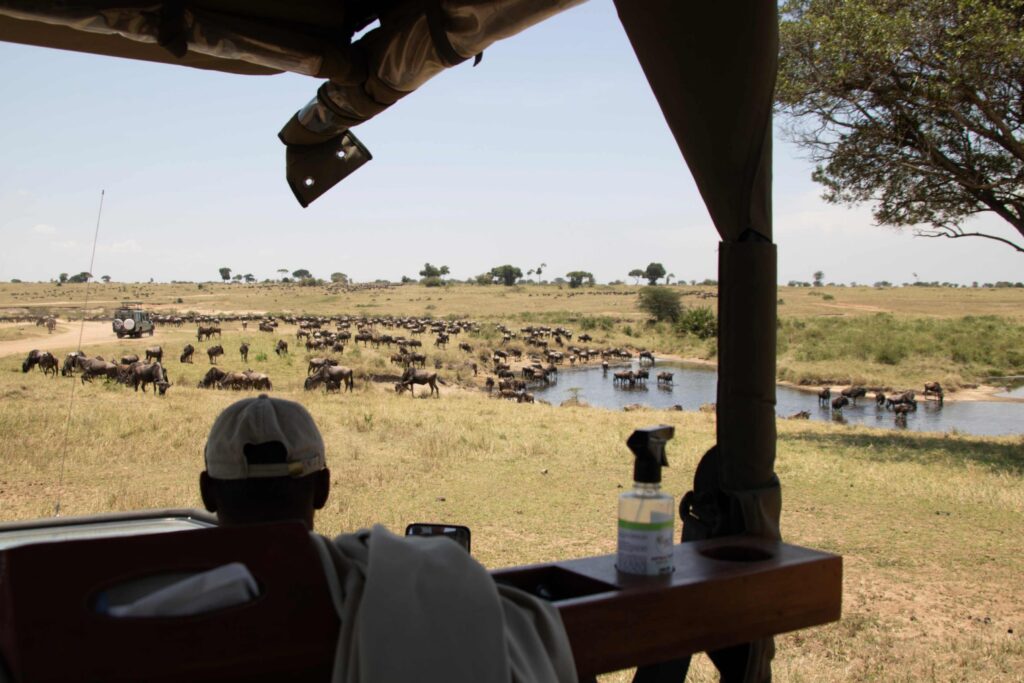
Every year, more than 1.5 million wildebeest, alongside hundreds of thousands of zebras and gazelles, move across the Serengeti-Mara ecosystem in one of the greatest wildlife spectacles on Earth. But despite what many travelers think, the Great Migration is not a single event. It is a constantly moving cycle shaped by rainfall, grazing patterns, predator movement, and timing.
That’s why planning a migration safari is not simply about choosing a month on the calendar. Where you stay, how long you stay, and understanding how the herds move across Tanzania and Kenya can completely shape the experience.
At Roane Travel Design, one of the questions we get asked most often is: When is the best time to see the Great Migration? The honest answer is that it all depends on what kind of experience you want. Some travelers dream of dramatic Mara River crossings. Others want to witness thousands of wildebeest calves being born across the southern Serengeti. Some want predator action, fewer crowds, or quieter moments surrounded by endless plains and moving herds.
The good news is that the migration offers something extraordinary throughout the year.

Understanding the Movement of the Migration
The migration follows a broad circular route through Tanzania’s Serengeti National Park and into Kenya’s Maasai Mara before eventually returning south again. The movement changes slightly every year depending on rainfall, which is why expert planning matters so much.
Rather than staying in one area year-round, the herds move through different regions of the ecosystem in search of fresh grazing. This movement creates very different safari experiences depending on the season.
Here’s how the migration typically unfolds throughout the year.
January to March: Calving Season in the Southern Serengeti and Ndutu
This is one of the most underrated times to experience the migration. From January through March, the herds gather across the short-grass plains of the southern Serengeti and Ndutu region. During this period, roughly 500,000 wildebeest calves are born within a matter of weeks.
The landscape is lush and green after seasonal rains, and the wildlife viewing can be exceptional. For photographers and wildlife enthusiasts, this is one of the most rewarding seasons in East Africa. Newborn calves attract predators in huge numbers, meaning lion, cheetah, leopard, and hyena sightings are often incredibly active. This period is less about dramatic river crossings and more about witnessing the scale and intensity of the ecosystem itself.
April to May: The Green Season and the Western Corridor
April and May are often overlooked, but experienced safari travelers know this can be one of the most beautiful times to visit Tanzania. The rains transform the Serengeti into an incredibly vibrant landscape with dramatic skies, fewer vehicles, and quieter camps. During this period, the migration begins moving northwest toward the Western Corridor.
Travelers willing to embrace occasional rain are often rewarded with a far more exclusive safari experience. This is also a fantastic time for photography. The scenery feels alive, the air is clearer, and the crowds are significantly smaller than peak migration months.
June to July: Grumeti River Crossings and the Push North
By June, the migration begins moving through the Western Corridor toward the Grumeti region. This is where anticipation starts building. The herds tighten into larger groups, predators follow closely behind, and the first major crossings begin to happen. While the Grumeti River crossings are often overshadowed by the Mara River, they can be equally dramatic and often with far fewer crowds. This is also one of the best times to experience the Central Serengeti, where resident wildlife remains excellent year-round.
July to September: Mara River Crossing Season
This is the period most travelers picture when they think of the Great Migration. Between July and September, massive herds move into the northern Serengeti and cross the Mara River into Kenya’s Maasai Mara.
The Mara River crossings are genuinely unlike anything else on Earth. The banks are steep and treacherous. The water is fast-moving and thick with crocodiles. And the wildebeest, driven by some combination of instinct and the pressure of thousands of bodies behind them, leap in.
One important thing to remember is that crossing sightings are never guaranteed. The herds may gather at the bank for hours, or even days, before a lead animal commits and triggers the rush. Your guide’s experience and knowledge of the crossing points matters enormously here. Some travelers witness multiple crossings during their safari. Others may spend days tracking the herds without seeing a single crossing.
October to November: The Return South
As seasonal rains begin again, the herds gradually start moving south through the eastern and central Serengeti. This is one of the quieter migration periods, but it can still offer exceptional wildlife viewing.
The crowds begin thinning out, the landscapes start changing again, and predator activity remains strong throughout the ecosystem. For travelers wanting the migration experience without peak-season congestion, this can be an excellent time to visit.



So, When Is the Best Time to Visit the Great Migration?
There’s no single “perfect” month for the Great Migration, only the best timing for the kind of safari experience you want.
- For river crossings: July through September
- For baby animals and predator action: January through March
- For fewer crowds and dramatic scenery: April, May, October, and November
- For photography: Green season and calving season
- For first-time safari travelers: July through October often offers the widest range of wildlife activity and dry-season conditions
Why Plan with Roane Travel Design?
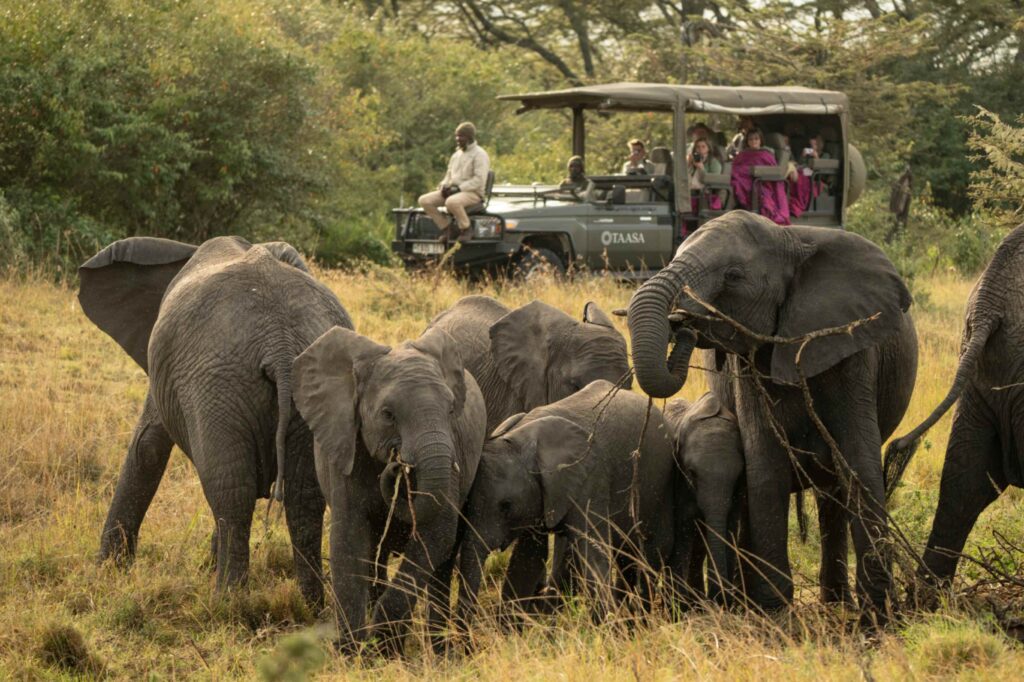
Planning a Great Migration safari is far more complex than simply choosing travel dates and booking a lodge. The movement of the herds changes constantly, different regions of the Serengeti offer completely different experiences throughout the year, and where you stay can make the difference between long game drive transfers and having wildlife right outside your tent.
At Roane Travel Design, we design migration safaris around timing, positioning, and the type of experience you actually want to have, whether that’s front-row river crossings, quieter corners of the Serengeti, luxury mobile camps, photography-focused itineraries, or combining safari with destinations like Zanzibar, Rwanda, or Kenya. Through our trusted partnerships and firsthand knowledge of East Africa, we create a safari that feels seamless, immersive, and deeply personal from start to finish.
Ready to start planning your Great Migration safari? Get in touch with us and let’s start planning your dream safari!
Let’s Be PenPals
Get the latest updates, announcements, and trip inspiration directly from our desktop to your email.
Letters from our family to yours. We promise to never send spam or sell your information.

