

Get excited about your next African vacation with our travel-inspired blog. Explore exotic luxury destinations, read travel tips for your safari and more!
Welcome to Our Travel Blog

Gorilla Trekking: Uganda vs Rwanda
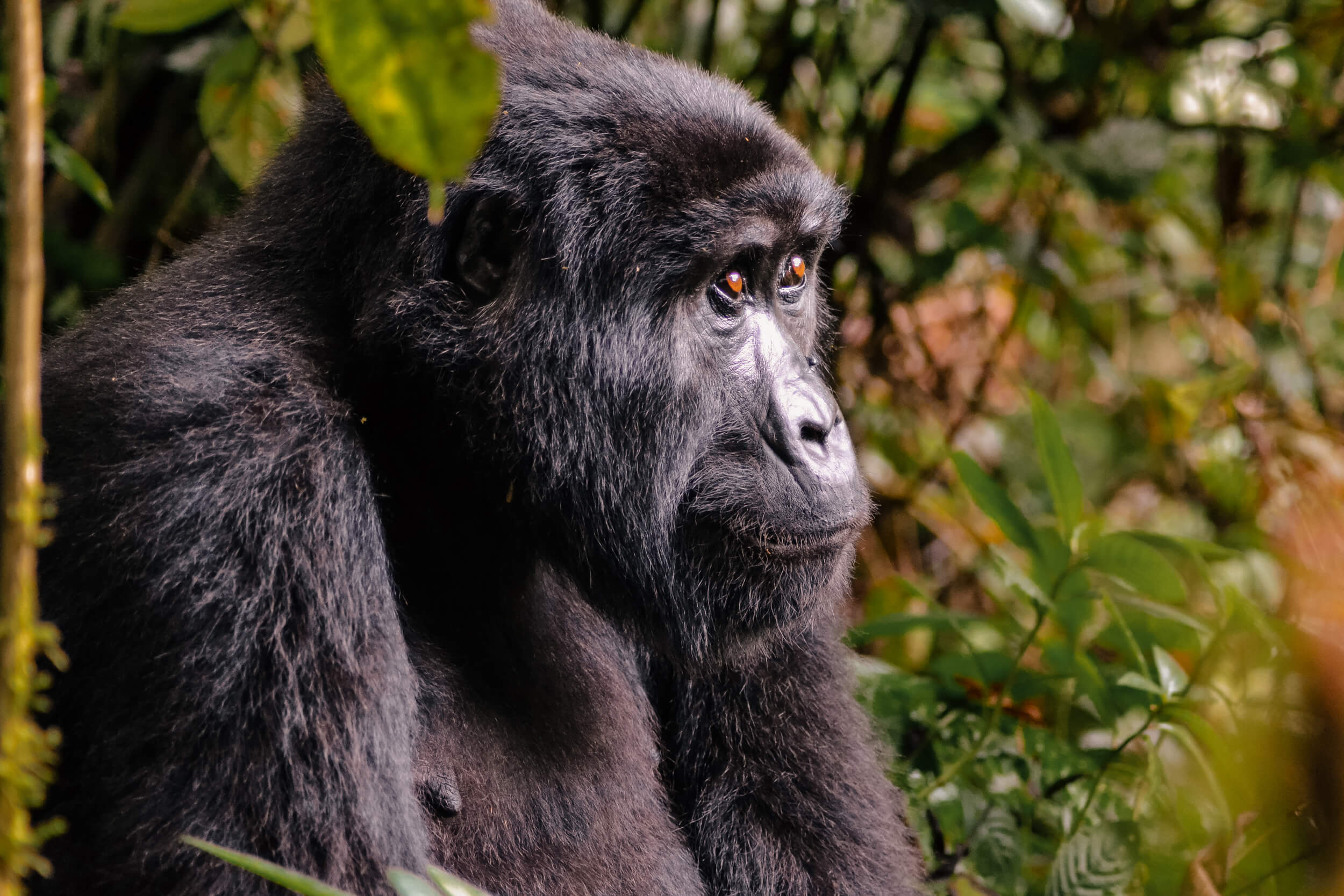
The best locations for one of the world’s most extraordinary wildlife encounters
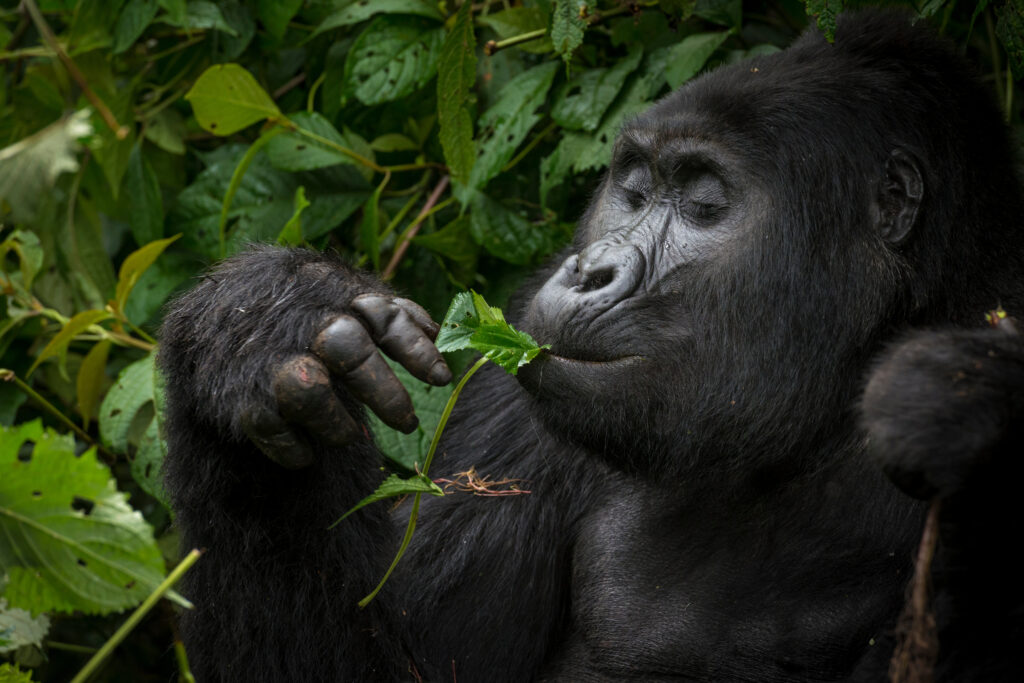
This rare opportunity to go gorilla trekking allows travelers to have one of the most profound wildlife encounters – coming face to face with some of Africa’s most critically endangered species.
Gorilla trekking remains one of the most powerful wildlife experiences on the planet: observing mountain gorillas in their natural habitat is rare, deeply emotional, and profoundly rewarding. These animals are under protection, and tourism plays a critical role in funding their conservation.
Here’s a clear, up-to-date comparison of gorilla trekking in Uganda and Rwanda – what to expect, how much it costs, and how to choose between them.
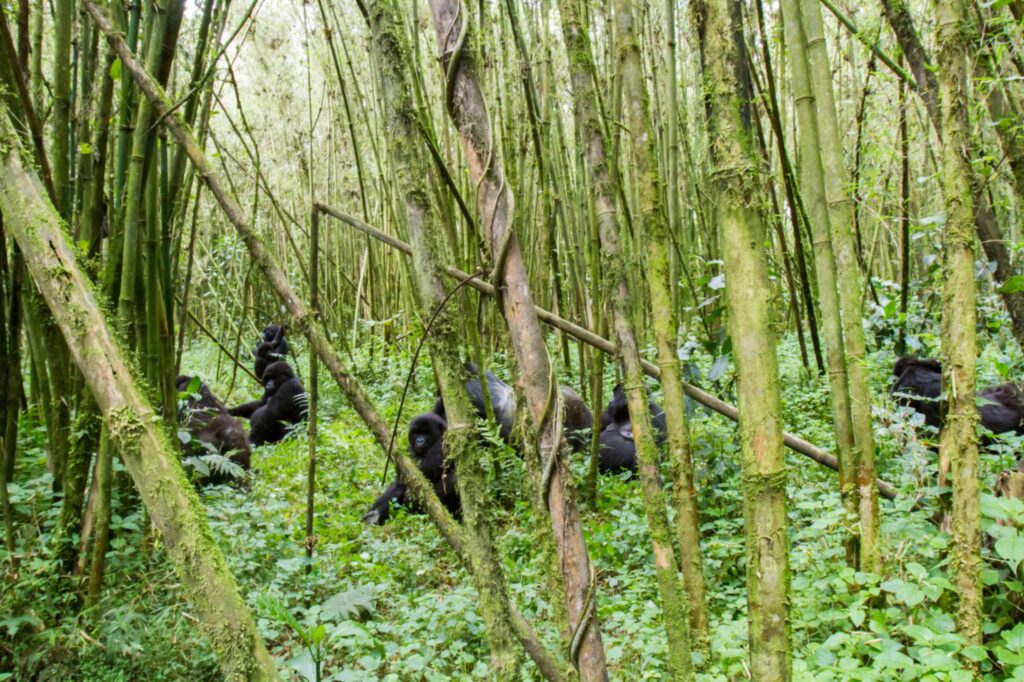
Uganda: Bwindi & Mgahinga
Gorilla Permits
- US $800 for foreign non-residents
- Gorilla Habituation Experience: US $1,500 (a 4-hour visit with researchers and semi-habituated families)
- Uganda’s permits include park entry, ranger and tracker fees, and one hour with a gorilla family. Porters and tips are additional.
- Uganda allows 8 people per gorilla family per day, following standard practice to minimize disturbance
Where You Trek
Uganda has two gorilla trekking parks:
- Bwindi Impenetrable Forest National Park: home to the majority of Uganda’s habituated gorilla families and the most popular trekking destination. According to the Uganda Wildlife Authority, Bwindi has about 24 habituated gorilla families, giving up to 192 permits per day (8 × 24) for trekking.
- Mgahinga Gorilla National Park: smaller, with one habituated family, but equally rewarding. In Mgahinga Gorilla National Park, there is one habituated gorilla family that receives 8 permits per day.
Bwindi is divided into four sectors (Buhoma, Ruhija, Rushaga, Nkuringo), each with unique terrain and gorilla families.
History of Gorilla Conservation in Uganda
After decades of instability in the 1970s and 1980s, Uganda’s gorillas faced severe poaching and habitat loss. Conservation efforts formally began in the early 1990s, and by 1993, gorilla trekking opened in Bwindi. This tourism has since become one of the country’s greatest success stories, providing vital funding for protection and community development.
What to Expect on the Trek
Reaching Bwindi is part of the adventure: you’ll likely fly into Entebbe, then connect to a regional flight followed by a scenic, sometimes bumpy, drive to the forest.
Trekking starts early, around 5–6 AM, with briefings by rangers before groups head into the forest. Depending on the location of the gorillas that day, the trek can be short and manageable or long and strenuous, with steep terrain and thick vegetation. Once the gorillas are located, you’ll spend a magical hour watching their interactions and behaviors.
Uganda’s treks are known for being more physically demanding, but many travelers find the challenge deeply rewarding. Once you find the gorillas, you spend about one hour observing their behavior before returning to camp or lodge.
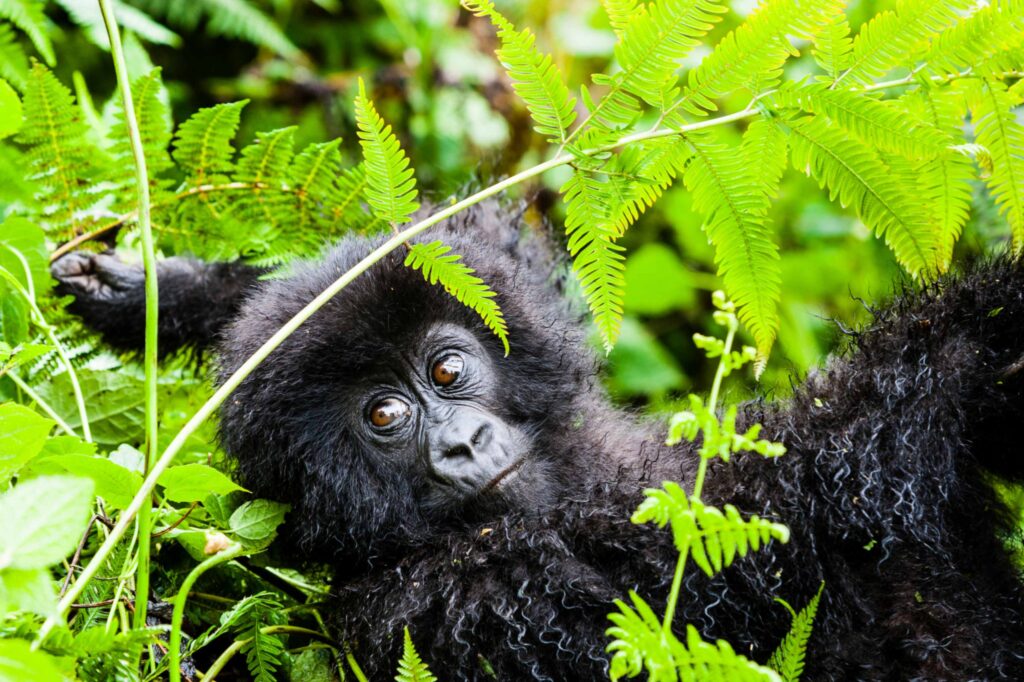
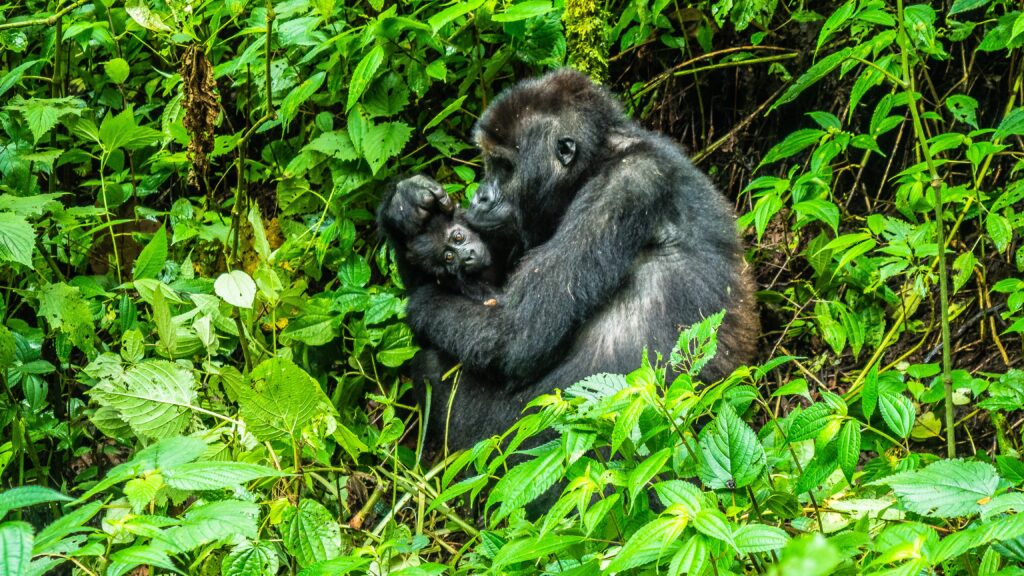
Rwanda: Volcanoes National Park
Gorilla Permits
- US $1,500 for international visitors
- Seasonal reductions may apply when combined with visits to other Rwandan parks
- Permits cover park entry, ranger guides, and one hour with a gorilla family. Porters are available for hire.
Where You Trek
Rwanda’s gorilla trekking takes place exclusively in:
- Volcanoes National Park: home to 12 habituated gorilla groups available for trekking. Volcanoes National Park issues 96 gorilla permits per day, which corresponds to 12 habituated gorilla groups, each with 8 permits daily
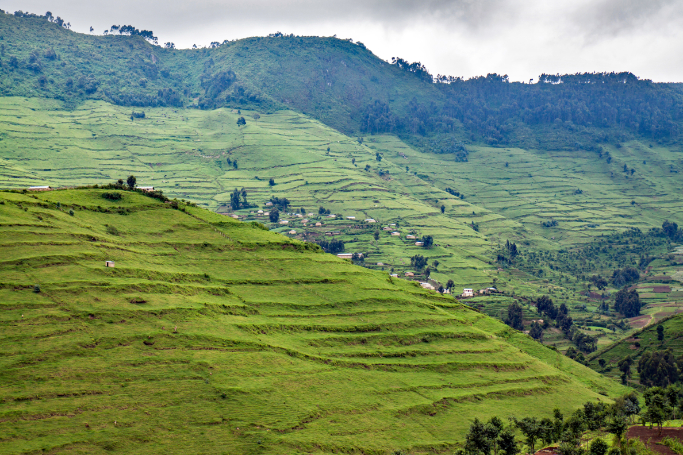
The park is part of the Virunga Massif, the same ecosystem shared by Uganda and the DRC, offering dramatic volcanic scenery and bamboo forests.
History of Gorilla Conservation in Rwanda
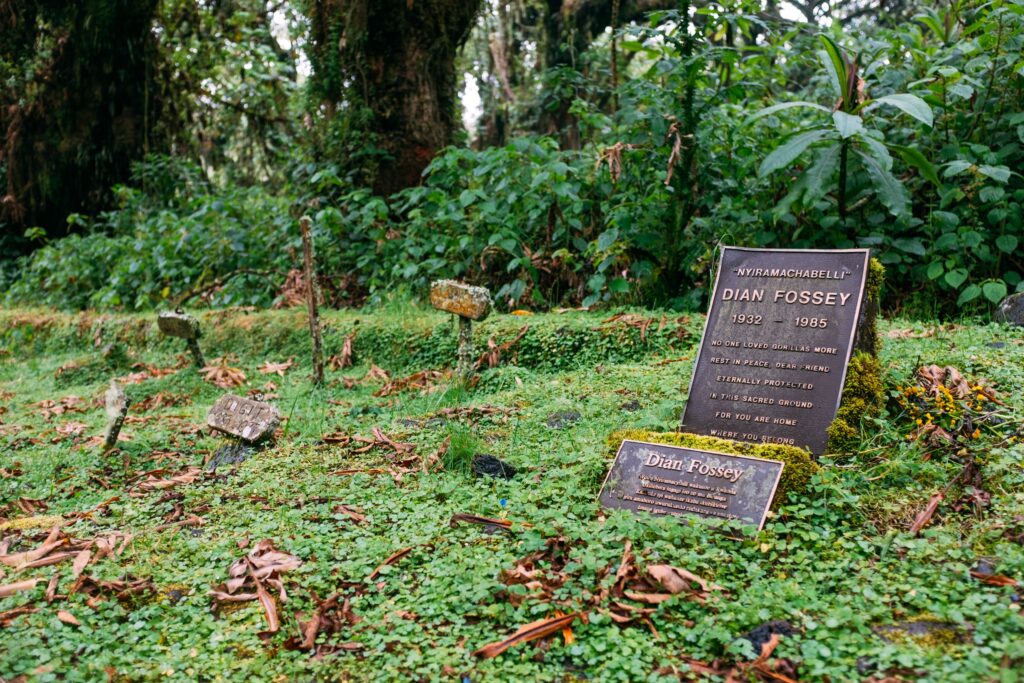
Rwanda’s conservation story is closely tied to the work of American primatologist Dian Fossey, whose research and activism helped expose the poaching crisis of the 1970s and 80s. Her legacy transformed Volcanoes National Park into one of Africa’s strongest conservation models. Today, tourism revenue funds anti-poaching patrols, ranger salaries, community projects, and habitat protection, and local communities have become key protectors of the gorillas they once hunted.
What to Expect on the Trek
Rwanda offers the easiest access of any gorilla trekking destination. Volcanoes National Park is just a 2.5–3 hour drive from Kigali on excellent paved roads.
Trekking begins early in the morning with a briefing and group assignments. The difficulty of the trek varies, but many travelers find Rwanda’s terrain less challenging than Uganda’s. Once you reach your gorilla family, you’ll spend an hour watching their daily life unfold, often in terrain that is more open and easier to navigate.
Because of its accessibility and premium lodge options, Rwanda is often considered the luxury gorilla trekking destination.
As in Uganda, once the group is located, trekkers spend one hour with the gorillas. Rules are strict: only 8 visitors per group per day, and behavior in the presence of gorillas is tightly regulated to minimize disease risk and disturbance.
So… Which Country Is Better for Gorilla Trekking?
There’s no wrong choice, both countries offer unforgettable encounters and meaningful contributions to conservation. But each destination suits different travel styles:
Most Budget-Friendly Option – Uganda
Even with 2025 permit adjustments, Uganda’s permits are nearly half the cost of Rwanda’s. When you factor in accommodations and transportation, the total trip cost is significantly lower.
Easiest & Most Luxurious Experience – Rwanda
If seamless logistics, shorter travel times, and high-end lodge options matter most, Rwanda delivers a smoother, more premium trekking experience.
Best for Deep Immersion – Uganda’s Habituation Experience
Uganda is the only place where you can spend four hours with semi-habituated gorilla families, ideal for photographers, naturalists, and those looking for a more in-depth encounter.
Best for Conservation – Both
Whether you trek in Uganda or Rwanda, your permit directly supports gorilla protection and local communities. Both countries have made remarkable strides in safeguarding these endangered giants.
Final Thoughts
Gorilla trekking in Uganda or Rwanda is more than just a wildlife experience, it’s a deeply meaningful way to contribute to conservation while witnessing one of nature’s most extraordinary species. Your permit does more than get you access, it helps protect these animals and supports the communities that live alongside them.
If you’re planning your trip, consider how you want to balance cost, comfort, and depth of experience and be sure to book your permit well in advance, especially during peak season.
Let’s Be PenPals
Get the latest updates, announcements, and trip inspiration directly from our desktop to your email.
Letters from our family to yours. We promise to never send spam or sell your information.

